
Understanding the psychological triggers that drive gambling behavior
The Allure of Risk and Reward
Gambling often revolves around the thrilling combination of risk and reward, which can create a compelling psychological draw for individuals. The potential for winning a large sum of money can evoke feelings of excitement and anticipation, engaging the brain’s reward pathways. This is rooted in basic human psychology; when faced with a potential gain, people are naturally inclined to take risks, which can lead to a powerful cycle of attraction towards gambling activities. Many prefer platforms that ensure quick access to winnings, like fast withdrawal casino uk, facilitating a seamless experience.
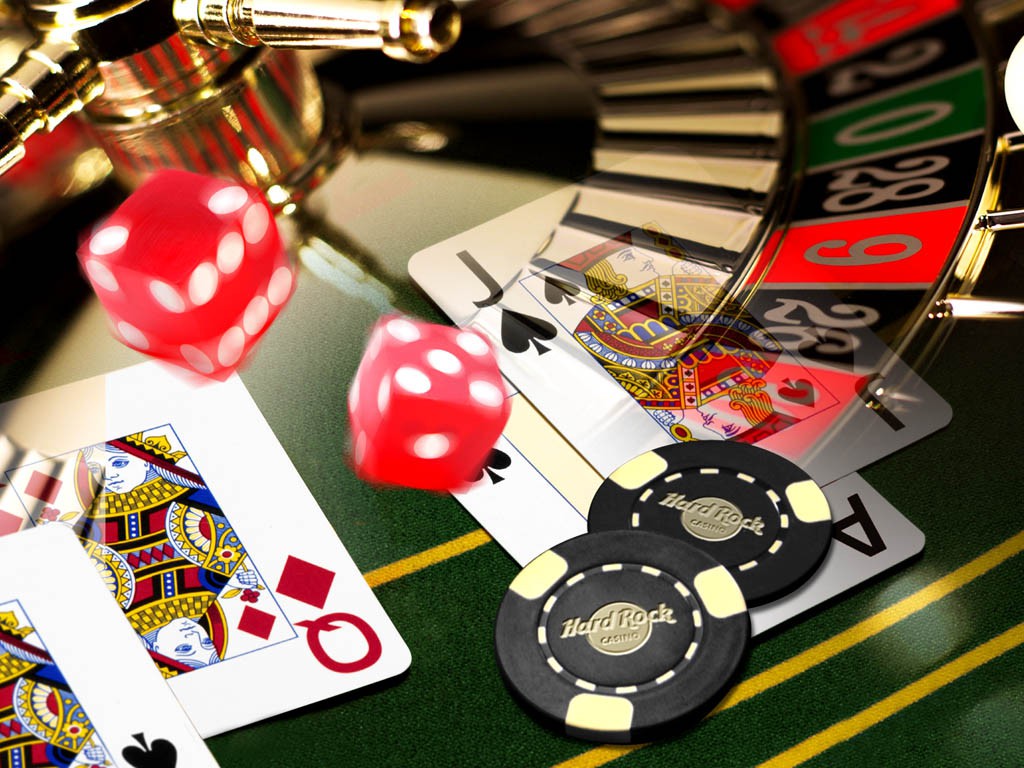
This allure is amplified by the intermittent reinforcement schedule present in many gambling environments. Players may not win consistently, but the occasional big win can act as a powerful motivator. The unpredictability of these outcomes keeps players engaged and fosters a behavior similar to that observed in addiction. This unpredictability can create a sense of hope that further fuels gambling behavior, making it difficult for individuals to walk away.
The Role of Cognitive Distortions
Cognitive distortions play a critical role in shaping gambling behavior. Many gamblers experience what is known as the “illusion of control,” which leads them to believe they can influence outcomes that are largely based on chance. This belief can cause individuals to develop an exaggerated sense of their own abilities, prompting them to engage in gambling more frequently. Cognitive distortions can also manifest in the form of selective memory, where gamblers focus on their wins while conveniently forgetting their losses.
The Impact of Social Influences
Social influences significantly impact gambling behavior, contributing to both the initiation and perpetuation of these activities. Peer pressure can play a substantial role in encouraging individuals to gamble, as social environments that normalize or celebrate gambling can reinforce its appeal. Friends or family members who gamble may unintentionally create a sense of acceptance, making it more likely that individuals will engage in similar behaviors to fit in.
The Consequences of Emotional States
Emotions play a pivotal role in gambling behavior, often acting as both a trigger and a response to gambling activities. For instance, individuals may resort to gambling as a means of coping with stress, anxiety, or depression. In these cases, gambling can serve as an escape, providing temporary relief from negative emotions. However, this coping mechanism can quickly become detrimental, leading to a cycle of emotional highs and lows that further fuels gambling behavior.
Responsible Gaming and Safe Practices
As gambling behaviors can be heavily influenced by psychological triggers, adopting responsible gaming practices is essential. Players should be aware of the various psychological factors that can lead to problematic gambling behavior, such as cognitive distortions, social influences, and emotional states. Education around these elements can empower individuals to make informed choices about their gambling activities and recognize when they may be crossing into risky territory.