
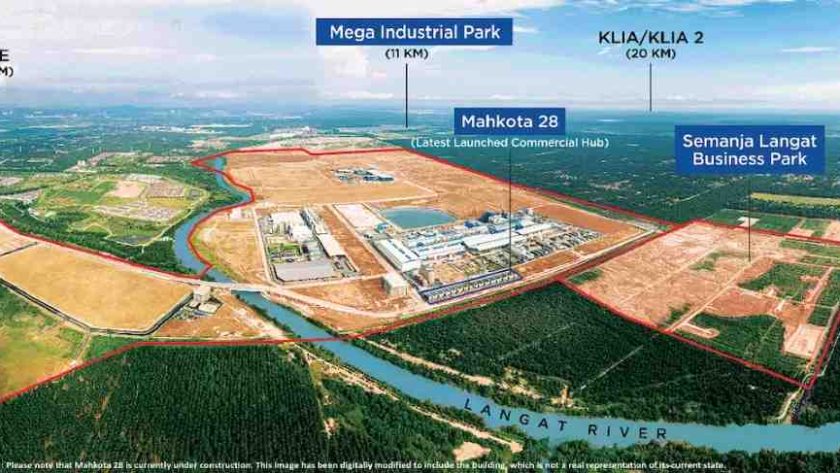
The transformation of Malaysia’s economic landscape is visibly etched into its soil, where vast agricultural tracts are progressively repurposed into bustling industrial parks and manufacturing hubs, for landowners and investors, converting agricultural land to industrial use represents a monumental financial opportunity, potentially unlocking a tenfold or greater increase in asset value. However, the path to how to convert agricultural land to industrial land in Malaysia successfully is a complex legal, bureaucratic, and technical labyrinth governed by a web of state and federal regulations. Navigating this process alone is a high-risk endeavour. This is where engaging a top-tier consultant becomes not just an advantage, but an absolute necessity for success.
The Daunting Complexity of the Conversion Process
The conversion process is not a simple application; it is a strategic campaign that involves multiple government bodies and a deep understanding of overlapping laws. The core legislation includes the National Land Code (NLC) 1965, which is under state jurisdiction, and the Town and Country Planning Act (TCPA) 1976, which involves local authorities. Key challenges include:
- State Authority Discretion: Land matters are the prerogative of the State Authority (PTG – Pejabat Tanah dan Galian Negeri). Each state in Malaysia has its own policies, premium calculation rates, and approval thresholds.
- Alignment with Development Plans: The proposal must align with the local authority’s Local Plan (Rancangan Tempatan). A proposal that contradicts this plan faces an uphill battle, requiring a powerful justification to amend the plan itself.
- Environmental Compliance: Projects of a certain scale or in sensitive areas require a detailed Environmental Impact Assessment (EIA) under the Environmental Quality Act 1974, a technical document that must be prepared by accredited experts.
- The Premium Calculation: The conversion premium—a one-time payment to the state—is a significant cost. It is calculated based on the difference between the land’s agricultural value and its new industrial value. An inaccurate valuation can lead to a crippling financial burden.
Attempting this without expert guidance often results in rejected applications, years-long delays, or an unexpectedly high premium that renders the project unviable.
The Indispensable Role of a Specialist Consultant
A top consultant, such as Industrial Malaysia, acts as the project’s navigator, strategist, and advocate. Their role is multifaceted and critical at every stage.
1. Strategic Feasibility and Due Diligence
Before a single form is filled, a firm like Industrial Malaysia would conduct a comprehensive feasibility study. This involves:
- Title Deed Scrutiny: Examining the Geran for any restrictive covenants, liens, or historical conditions that could impede conversion.
- Local Plan Analysis: Determining how the local authority has zoned the land in its future development blueprint. This is the single most important factor in predicting success.
- Preliminary Stakeholder Mapping: Identifying which government departments will be key to the approval and anticipating potential objections.
2. Master Planning and Technical Report Preparation
Consultants translate a landowner’s vision into a language the government understands and approves. They oversee the preparation of a compelling Development Proposal Report (Laporan Cadangan Pemajuan), which includes:
- Site and layout plans.
- Traffic impact assessments.
- Utility and infrastructure plans (water, electricity, sewage).
- Coordination with environmental experts to manage the EIA process if required.
3. Navigating the Bureaucratic Maze and Acting as an Advocate
This is where a consultant’s established relationships and procedural expertise pay dividends. A firm like Industrial Malaysia understands the intricacies of the One-Stop Centre (OSC) online system and maintains professional working relationships with officers at the PTG and local council (PBT). They act as the formal liaison, submitting applications, tracking progress, and responding to queries on the client’s behalf. Their credibility can often facilitate smoother communication and help resolve minor issues before they become major roadblocks.
4. Negotiating the Premium and Conditions
Perhaps the most direct financial benefit comes from the consultant’s role in the valuation process. They will engage a registered valuer to provide a robust counter-valuation to the government’s assessment, aiming to minimize the land conversion premium. Furthermore, they negotiate the conditions attached to the approval, which can involve costly infrastructure commitments, to ensure they are fair and achievable.
Case Study: The “Industrial Malaysia” Advantage
Imagine a Singaporean investor, “Global Tech Ltd,” purchases 100 acres of oil palm plantation in Johor with the vision of building an advanced electronics factory. They engage Industrial Malaysia.
- Phase 1: Industrial Malaysia’s due diligence reveals that the Local Plan designates the land for “Agro-Industry,” not “General Industry.” Instead of submitting a doomed application, they prepare a powerful economic report showing the project will create 500 jobs and attract high-tech supply chains, making a case for a plan amendment.
- Phase 2: They guide Global Tech through the EIA process, hiring a certified EIA consultant to produce a thorough report that proactively addresses concerns about chemical storage and wastewater treatment.
- Phase 3: Industrial Malaysia submits the conversion application via the Johor OSC, managing all communications with the PTG, Majlis Bandaraya, and JPS (Drainage and Irrigation Department).
- Phase 4: The state approves the conversion but sets a premium of RM 10 million. Industrial Malaysia contests this, presenting their own valuer’s report that argues for a RM 7 million premium based on comparable land sales, ultimately saving the client RM 3 million.
This end-to-end management transforms a potentially catastrophic investment into a successful, permitted industrial development.
Conclusion
Converting agricultural land to industrial land in Malaysia is a high-stakes process where expertise is the ultimate currency. The complexity of dealing with state and local authorities, coupled with the technical requirements of planning and environmental law, makes the role of a specialist consultant indispensable. A top firm like Industrial Malaysia provides more than just administrative help; it offers strategic insight, risk mitigation, and advocacy that can mean the difference between a rejected application and a successfully converted, highly valuable industrial asset. For any serious investor or landowner, their fee is not a cost, but a strategic investment in the project’s ultimate success and profitability.
Frequently Asked Questions (FAQs)
1. What should I look for when choosing a consultant for land conversion?
Seek a firm with a proven track record (request case studies), a multi-disciplinary team (town planners, lawyers, surveyors), and specific experience in the state where your land is located. Strong relationships with the local PTG and council are crucial. Ensure they are transparent about their fees and provide a clear scope of work.
2. How are consultants like “Industrial Malaysia” typically paid?
Most reputable firms operate on a professional fee basis, which can be a fixed project fee, a monthly retainer, or a percentage of the project value. Crucially, be wary of any consultant who promises a specific outcome or offers to pay bribes on your behalf. This is illegal and exposes you to severe legal risk. Their fee should cover their professional time, expertise, and advocacy, not guaranteed results.
3. Can a consultant guarantee that my conversion application will be approved?
No. No ethical consultant can guarantee approval, as the final decision rests solely with the State Authority. A good consultant will provide a realistic assessment of your chances during the feasibility stage. If a firm promises a 100% success rate, it is a major red flag. Their role is to maximize the probability of success by ensuring the application is technically perfect, strategically sound, and professionally presented.
4. At what stage in the process should I engage a consultant?
The earlier, the better. The ideal time is before you even finalize the purchase of the land. A consultant can conduct preliminary due diligence to identify any fatal flaws (e.g., the land is a designated forest reserve or flood zone) that would make conversion impossible, potentially saving you from a disastrous investment.
5. What is the single biggest value a consultant provides?
Risk Mitigation. They de-risk the entire multi-year, multi-million-ringgit process. They mitigate the risk of outright rejection, unexpected and unsustainable premium costs, costly delays due to application errors, and the legal risk of non-compliance. Their expertise transforms a speculative gamble into a managed, strategic project.