
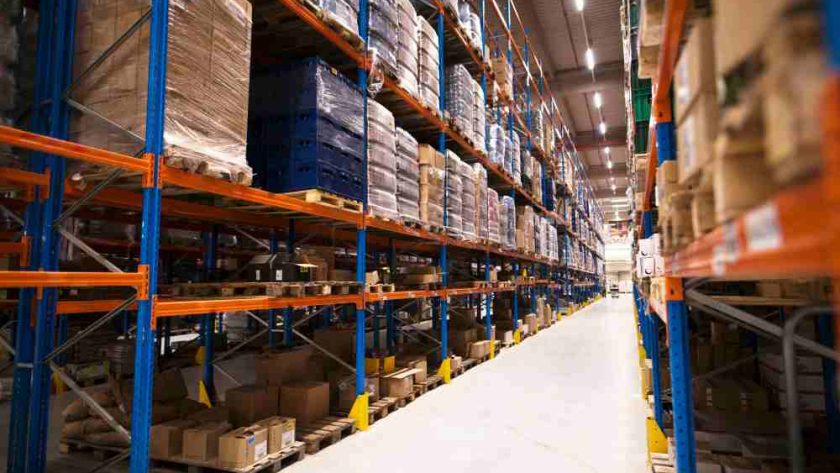
Heavy-duty warehouse racks are indispensable in modern industrial operations, serving as the structural foundation for efficient storage, inventory management, and workflow optimization. Designed to withstand substantial loads—often exceeding 1,000 kg per level—these racking systems enable industries to maximize space, enhance safety, and boost productivity. In sectors like manufacturing, logistics, retail, and e-commerce, where inventory volumes are massive and turnaround times critical, heavy duty warehouse rack transform chaotic warehouses into streamlined hubs. As global supply chains evolve, the importance of these systems cannot be overstated, with market growth projected to reach billions by 2030 due to rising automation and sustainability demands.
Their role extends beyond mere storage; they facilitate compliance with safety regulations and contribute to cost savings, making them a strategic investment for businesses aiming to thrive in competitive environments.
In Malaysia and across Asia, where industrial parks in Selangor and Johor are bustling with activity, heavy-duty racks address unique challenges such as high humidity and seismic activity, incorporating corrosion-resistant coatings and bracing for enhanced durability. This article examines their significance across various industries, highlighting the benefits, applications, and emerging trends.
Role in Key Industries
Heavy-duty warehouse racks are pivotal in manufacturing, where they organize raw materials, tools, and finished goods. In automotive plants, for instance, cantilever racks store long components, such as chassis or pipes, ensuring quick access to reduce assembly line downtime. This organization minimizes search times, potentially increasing productivity by 20-30%. In the food and beverage sectors, drive-in racks enable high-density storage for perishable items, supporting FIFO (first-in, first-out) systems to maintain freshness and comply with hygiene standards.
Logistics and distribution centers rely on selective pallet racking for versatile access, handling a diverse range of SKUs in e-commerce fulfillment. With Malaysia’s e-commerce market projected to reach RM100 billion by 2025, these racks facilitate rapid order picking, reducing errors and speeding up deliveries. Retail giants, such as hypermarkets, use them in backrooms for bulk stocking, ensuring shelves are replenished efficiently during peak hours.
In construction and heavy industries, racks support bulky materials, such as steel beams, preventing damage and optimizing yard space. Pharmaceutical warehouses employ them for secure, climate-controlled storage of sensitive drugs, integrating with tracking systems to meet regulatory requirements. Across these sectors, heavy-duty racks adapt to specific needs, proving their universal importance in scaling operations.
Benefits: Efficiency and Space Optimization
One of the foremost advantages is space maximization. By utilizing vertical space—up to 12 meters high—these racks can increase storage capacity by 50% without expanding the floor area, which is crucial in urban industrial zones where land costs are soaring.
This vertical approach not only cuts real estate expenses but also streamlines workflows, with narrower aisles allowing more racks per square meter.
Efficiency gains are profound. Organized storage reduces picking times, with studies showing up to 25% faster inventory retrieval. In high-turnover industries like e-commerce, this translates to quicker order fulfillment, enhancing customer satisfaction and repeat business. Moreover, modular designs permit easy reconfiguration to meet seasonal demands, thereby avoiding costly overhauls.
Cost-effectiveness is another key benefit. Durable materials, such as steel, ensure longevity with minimal maintenance needs, resulting in lower long-term expenses. Businesses report ROI within 1-2 years through reduced labor costs and minimized product damage from improper stacking.
Safety and Compliance
Safety is paramount in industrial settings, where overloaded or unstable storage can lead to accidents. Heavy-duty racks, engineered with safety factors of 1.5-2.0, prevent collapse under heavy loads, incorporating features such as beam locks and floor anchors. Compliance with standards like OSHA and SIRIM mitigates risks, protecting workers and avoiding legal penalties.
In hazardous environments, such as chemical warehouses, racks with spill containment trays safeguard against leaks, while seismic designs in earthquake-prone areas ensure stability. Enhanced visibility through open designs reduces collision risks with forklifts, further bolstering workplace safety.
Sustainability and Innovation
Modern heavy-duty racks contribute to sustainability by using recyclable steel and optimizing energy use in automated warehouses. Eco-friendly coatings reduce environmental impact, aligning with corporate green goals. Innovations like IoT integration enable real-time monitoring, predicting maintenance needs, and minimizing waste.
Automated storage and retrieval systems (AS/RS) paired with racks revolutionize industries, offering touchless operations for precision in pharmaceuticals or speed in logistics.
Future trends point to AI-driven layouts, adapting dynamically to inventory changes, underscoring racks’ evolving role.
Challenges and Best Practices
Despite benefits, improper selection can lead to inefficiencies. Businesses must assess load requirements, space constraints, and future growth when choosing racks. Regular inspections and staff training are essential to maintain integrity.
In conclusion, heavy-duty warehouse racks are vital for industrial success, driving efficiency, safety, and sustainability. As industries adapt to digital transformations, investing in quality racking systems ensures resilience and competitiveness.
5 FAQs on the Importance of Heavy-Duty Warehouse Racks in Industries
- Why are heavy-duty racks essential for manufacturing?
They organize materials, reduce downtime, and support heavy loads for efficient production. - How do these racks improve warehouse efficiency?
By maximizing space and speeding inventory access, they cut retrieval times by up to 25%. - What safety benefits do heavy-duty racks provide?
Engineered for stability, they prevent collapses and comply with regulations like OSHA. - In which industries are they most important?
Manufacturing, logistics, retail, and e-commerce rely on them for storage and workflow optimization. - How do they contribute to cost savings?
Durable designs minimize maintenance and damage, offering quick ROI through efficiency gains.