
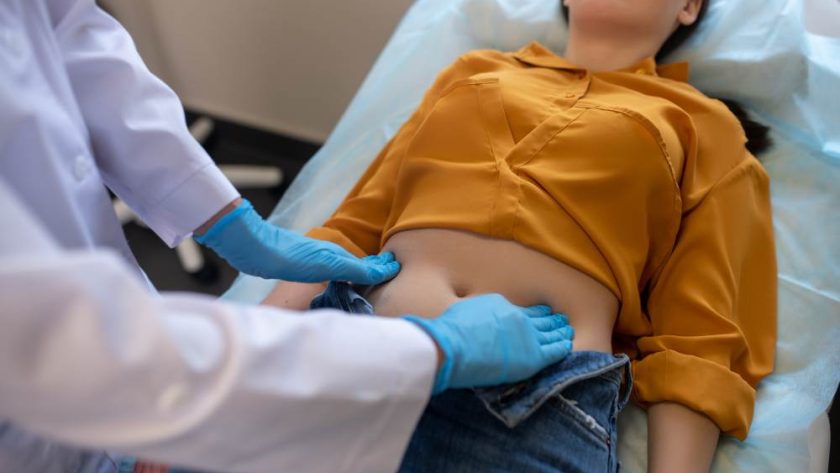
A colonoscopy is a vital medical procedure used to examine the inner lining of the large intestine (colon and rectum) to detect abnormalities such as polyps, inflammation, or colorectal cancer. For residents or visitors in Kuala Lumpur, Malaysia, finding a reliable facility for a colonoscopy can feel daunting, especially with the city’s bustling healthcare landscape. This article provides a comprehensive guide on how to locate a Colonoscopy ‘near me’ in Kuala Lumpur, covering essential steps, considerations, and practical tips to ensure you receive high-quality care. Additionally, we address five frequently asked questions to clarify common concerns.
Why a Colonoscopy Matters
A colonoscopy is often recommended for individuals over 50, those with a family history of colorectal issues, or those experiencing symptoms like persistent abdominal pain, rectal bleeding, or changes in bowel habits. In Kuala Lumpur, a city known for its advanced medical infrastructure, you have access to world-class hospitals and clinics offering this procedure. However, choosing the right facility and preparing adequately are crucial for a smooth experience.
Step-by-Step Guide to Finding a Colonoscopy in Kuala Lumpur
1. Start with Online Research
The first step in finding a colonoscopy near you is to leverage online resources. Search engines like Google are invaluable for locating healthcare providers in Kuala Lumpur. Use specific search terms like “colonoscopy near me in Kuala Lumpur” or “best gastroenterologist in Kuala Lumpur.” This will yield results for hospitals, clinics, and specialists in your vicinity.
- Google Maps: Enter “colonoscopy Kuala Lumpur” into Google Maps to find nearby facilities with ratings, reviews, and contact details. You can filter results by distance or user ratings.
- Hospital Websites: Major hospitals like Gleneagles Hospital, Pantai Hospital, or Sunway Medical Centre have detailed websites listing their gastroenterology services, including colonoscopy procedures.
- Healthcare Platforms: Websites like DoctorOnCall, MyDocAsia, or RingMD provide directories of clinics and specialists in Kuala Lumpur, often with patient reviews and pricing information.
2. Consult Your Primary Care Physician
If you have a regular doctor or general practitioner (GP) in Kuala Lumpur, consult them for a referral. GPs are familiar with your medical history and can recommend trusted gastroenterologists or clinics specializing in colonoscopies. They may also coordinate with the specialist to ensure continuity of care. Many GPs in Kuala Lumpur are affiliated with private hospitals, making referrals seamless.
3. Check Hospital and Clinic Accreditation
Kuala Lumpur is home to numerous accredited healthcare facilities, many of which are recognized by the Malaysian Society for Quality in Health (MSQH) or the Joint Commission International (JCI). Accreditation ensures that the facility adheres to high standards of safety and quality. Some reputable hospitals offering colonoscopy services include:
- Gleneagles Hospital Kuala Lumpur: Known for its advanced gastroenterology department and experienced specialists.
- Pantai Hospital Kuala Lumpur: Offers comprehensive diagnostic services, including colonoscopies, with state-of-the-art equipment.
- Prince Court Medical Centre: Renowned for its patient-centered care and advanced endoscopic facilities.
- Sunway Medical Centre: A leading private hospital with a dedicated gastroenterology unit.
Before booking, verify the facility’s accreditation and ensure the gastroenterologist is board-certified with experience in performing colonoscopies.
4. Consider Location and Accessibility
Kuala Lumpur is a sprawling city, and proximity to your home or workplace can make a significant difference, especially since a colonoscopy requires preparation (e.g., fasting and bowel cleansing) and recovery time. Areas like Bangsar, Damansara, and the city center (KLCC) host numerous hospitals and clinics. Use public transportation options like the LRT or Grab rides for convenience, as you’ll need someone to accompany you post-procedure due to sedation.
5. Evaluate Costs and Insurance Coverage
The cost of a colonoscopy in Kuala Lumpur varies depending on the facility, the specialist’s expertise, and whether additional procedures (e.g., polyp removal) are required. On average, a colonoscopy in a private hospital costs between RM 1,500 and RM 3,000 (approximately USD 350–700). Public hospitals like Hospital Kuala Lumpur may offer lower rates, but waiting times can be longer.
- Private Hospitals: Provide faster appointments and more comfortable facilities but at a higher cost.
- Public Hospitals: More affordable but may require a referral and have longer wait times.
- Insurance: Check if your health insurance covers colonoscopies. Many plans in Malaysia, such as those from AIA or Prudential, include diagnostic procedures. Contact your insurer to confirm coverage and any out-of-pocket expenses.
6. Read Reviews and Seek Recommendations
Patient reviews on platforms like Google, Facebook, or healthcare forums can provide insights into the quality of care at specific facilities. Additionally, ask friends, family, or colleagues in Kuala Lumpur for recommendations. Word-of-mouth referrals often highlight trustworthy specialists and clinics.
7. Schedule a Consultation
Once you’ve shortlisted a few facilities, contact them to schedule a consultation with a gastroenterologist. During this visit, discuss your medical history, symptoms, and any concerns about the procedure. The specialist will explain the preparation process, sedation options, and what to expect during and after the colonoscopy. Many clinics in Kuala Lumpur offer virtual consultations, which can be convenient for initial discussions.
8. Prepare for the Procedure
Proper preparation is critical for a successful colonoscopy. Your doctor will provide specific instructions, which typically include:
- Dietary Restrictions: A clear liquid diet 24–48 hours before the procedure.
- Bowel Preparation: Taking a prescribed laxative to cleanse the colon.
- Medication Adjustments: Inform your doctor about any medications you’re taking, as some may need to be paused.
Follow these instructions meticulously to ensure accurate results and minimize complications.
Tips for a Smooth Experience
- Choose a Reputable Specialist: Look for gastroenterologists with credentials from recognized institutions, such as the Malaysian Medical Council or international boards.
- Ask About Sedation: Most colonoscopies in Kuala Lumpur are performed under sedation for comfort. Confirm the type of sedation used and any associated risks.
- Plan for Recovery: Arrange for someone to drive you home, as sedation can impair your ability to drive for several hours.
- Follow-Up Care: Ensure the facility provides clear post-procedure instructions and a follow-up appointment to discuss results.
Frequently Asked Questions (FAQs)
1. How long does a colonoscopy take in Kuala Lumpur?
A colonoscopy typically takes 30–60 minutes, depending on whether additional procedures, like polyp removal, are needed. Preparation and recovery may require a few additional hours at the facility.
2. Is a colonoscopy painful?
Most patients experience little to no pain due to sedation. You may feel mild discomfort or bloating afterward, which usually subsides within a day.
3. How do I know if a clinic in Kuala Lumpur is trustworthy?
Check for accreditation from MSQH or JCI, read patient reviews, and verify the gastroenterologist’s credentials. Reputable hospitals like Gleneagles or Pantai are generally reliable choices.
4. Can I get a colonoscopy without a referral in Kuala Lumpur?
Yes, many private hospitals and clinics in Kuala Lumpur allow direct bookings for colonoscopies. However, a consultation with a gastroenterologist is typically required beforehand.
5. What should I do if I can’t afford a colonoscopy in a private hospital?
Consider public hospitals like Hospital Kuala Lumpur, which offer lower-cost options. You may need a referral from a GP, and waiting times can be longer. Alternatively, check with your insurance provider for coverage options.
Conclusion
Finding a colonoscopy service in Kuala Lumpur is straightforward if you follow a systematic approach. Start with online research, consult your doctor, and prioritize accredited facilities with experienced specialists. By considering factors like location, cost, and patient reviews, you can ensure a safe and comfortable experience. Kuala Lumpur’s robust healthcare system offers numerous options, from world-class private hospitals to affordable public facilities. With proper preparation and informed decision-making, you can take proactive steps toward maintaining your colorectal health.