
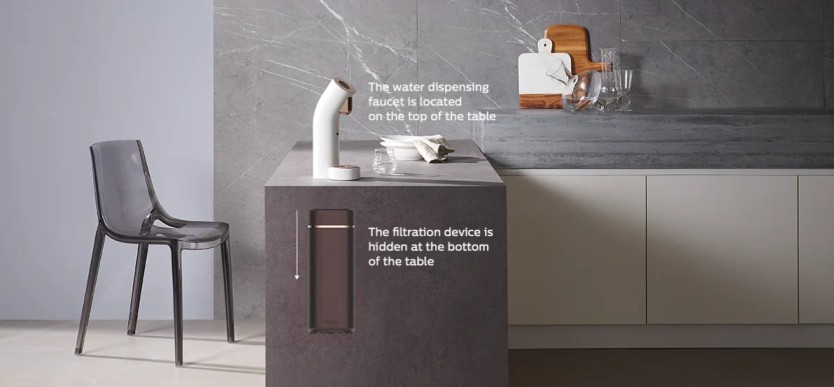
Access to clean drinking water is essential for health and well-being. In many parts of the world, including Malaysia, concerns about water quality have led to an increased demand for water purifiers. These devices help remove contaminants, ensuring that the water you consume is safe and healthy. In this ultimate guide, we will explore the different types of water purifiers, their features, and the benefits they offer.
Understanding Water Purification
Water purification is the process of removing impurities and contaminants from water to make it safe for consumption. This can involve various methods, depending on the types of contaminants present. The primary goal of water purifiers is to improve water quality by eliminating harmful substances, including bacteria, viruses, heavy metals, and chemical pollutants.
Types of Water Purifiers
Activated Carbon Filters
How They Work:
Activated carbon filters use a porous form of carbon to adsorb impurities from water. The activated carbon has a large surface area that traps contaminants such as chlorine, sediment, and volatile organic compounds (VOCs).
Features:
- Effective in improving taste and odor.
- Usually inexpensive and easy to install.
- Available in pitcher, faucet-mounted, and under-sink models.
Benefits:
- Removes common contaminants like chlorine, improving water quality.
- Enhances the taste of drinking water, encouraging better hydration.
- Requires minimal maintenance and filter replacement.
Reverse Osmosis (RO) Systems
How They Work:
Reverse osmosis systems use a semi-permeable membrane to separate contaminants from water. Water pressure forces it through the membrane, allowing only pure water to pass while blocking larger molecules and impurities.
Features:
- Capable of removing a wide range of contaminants, including heavy metals, salts, and microorganisms.
- Typically includes multiple stages of filtration, including pre-filters and post-filters.
Benefits:
- Provides high-quality purified water, free from harmful substances.
- Ideal for areas with poor water quality or high levels of contaminants.
- Offers long-term savings on bottled water due to the availability of clean water at home.
Ultraviolet (UV) Purifiers
How They Work:
UV purifiers use ultraviolet light to kill or inactivate bacteria, viruses, and other microorganisms in water. The UV light disrupts the DNA of these pathogens, rendering them harmless.
Features:
- Effective against microorganisms but does not remove physical contaminants or chemicals.
- Usually requires electricity to operate.
Benefits:
- Provides an additional layer of safety by eliminating harmful pathogens.
- Retains beneficial minerals in the water, as it does not alter chemical composition.
- Low maintenance, with only the UV lamp needing periodic replacement.
Distillation Units
How They Work:
Distillation involves boiling water to produce steam and then cooling the steam back into liquid form. This process leaves contaminants behind, as most impurities do not vaporize.
Features:
- Effective in removing heavy metals, salts, and other impurities.
- Typically requires electricity for heating.
Benefits:
- Produces highly purified water, free from a wide range of contaminants.
- Simple technology with few moving parts, leading to long lifespan.
- Can be used in emergency situations where other purification methods are unavailable.
Ceramic Filters
How They Work:
Ceramic filters consist of porous ceramic material that traps bacteria, sediment, and larger particles as water passes through.
Features:
- Can be combined with activated carbon for enhanced filtration.
- Typically used in gravity-fed systems.
Benefits:
- Effective in removing bacteria and sediment, improving water quality.
- Long-lasting and easy to clean and maintain.
- Does not require electricity, making it suitable for remote areas.
Key Features to Consider
When choosing a water purifier, several key features should be taken into account:
Contaminant Removal Capability
Understand which contaminants are present in your water supply and choose a purifier that effectively addresses those specific issues. For example, if you have concerns about heavy metals, a reverse osmosis system may be the best choice.
Maintenance Requirements
Different purifiers have varying maintenance needs. Some require regular filter replacements, while others may only need occasional cleaning. Consider how much effort you are willing to invest in upkeep.
Capacity and Size
Evaluate the size and capacity of the water purifier based on your household’s water consumption. Larger families may require a unit with a higher purification capacity, while individuals or small families might opt for a more compact model.
Installation and Space
Consider where you plan to install the purifier. Some models, like under-sink systems, require plumbing modifications, while others are portable and easy to set up without professional help.
Budget
Water purifiers come in a range of prices. Assess your budget and consider both the initial cost and long-term expenses, such as filter replacements and maintenance.
Benefits of Using Water Purifiers
Improved Health
The primary benefit of using a water purifier is the significant improvement in water quality. By removing harmful contaminants, purifiers reduce the risk of waterborne diseases and long-term health issues associated with consuming contaminated water.
Enhanced Taste and Odor
Many water purifiers improve the taste and smell of water, making it more enjoyable to drink. This can encourage better hydration and contribute to overall health.
Convenience and Accessibility
Having a water purifier at home provides easy access to clean drinking water. This convenience eliminates the need for bottled water, saving money and reducing plastic waste.
Environmental Benefits
Investing in a water purifier helps reduce reliance on bottled water, which contributes to plastic pollution. By using a purifier, households can take a step toward more sustainable living.
Cost Savings
While the initial investment in a water purifier may seem high, the long-term savings from reduced bottled water purchases can offset this cost. Additionally, having access to clean water can prevent costly health issues related to contaminated water.
Conclusion
Water purifiers are essential devices for ensuring safe drinking water, particularly in areas where water quality is a concern. By understanding the different types of water purifiers, their features, and the benefits they offer, consumers can make informed decisions that enhance their health and well-being. Whether you opt for an activated carbon filter, reverse osmosis system, UV purifier, distillation unit, or ceramic filter, investing in a water purifier is a proactive step towards ensuring clean, safe, and delicious drinking water for you and your family.